
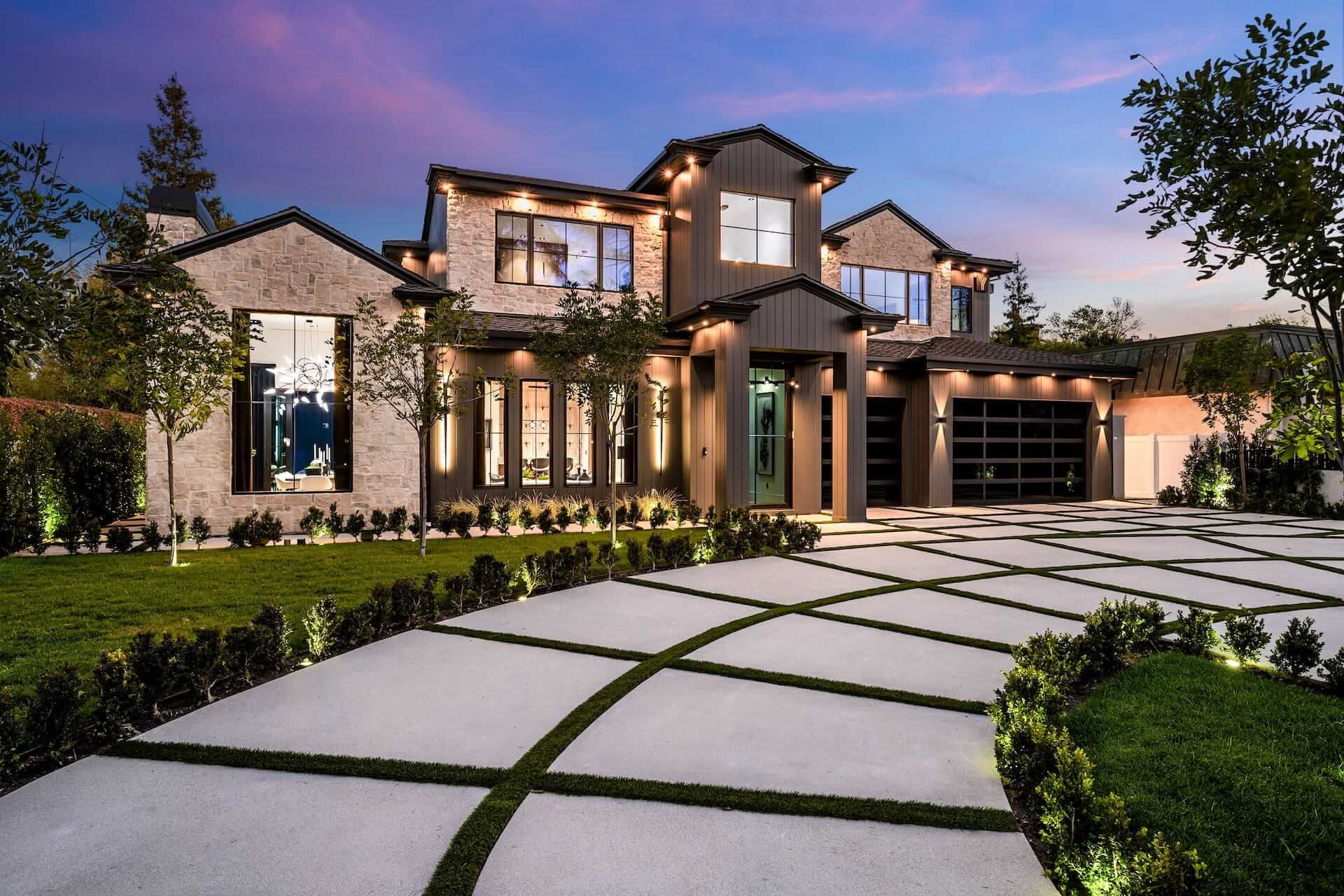
Thinking about a full home renovation in Oakville, Burlington, Mississauga, or anywhere across the Greater Toronto Area? Before you commit to a contractor or start selecting finishes, you need a realistic picture of what the investment actually looks like in 2026. This guide breaks down the costs, the variables that drive them, and the decisions that separate a successful renovation from an expensive headache.
What Does "Full Home Renovation" Actually Mean?
Before we talk numbers, it is important to define scope. A full home renovation is not a fresh coat of paint and new light fixtures. It typically involves gutting most or all of the interior down to the studs and rebuilding — new flooring, new kitchen, new bathrooms, updated electrical and plumbing, fresh drywall, modern insulation, and refined finishes throughout.
In the GTA, many of the homes being renovated are 30 to 80+ years old. That means contractors frequently encounter outdated wiring, galvanized plumbing, insufficient insulation, uneven subfloors, and structural issues that only reveal themselves once walls come down. A full renovation addresses all of it — transforming a dated house into a modern, functional, and beautiful home.
For homeowners in Oakville, Burlington, Milton, Mississauga, and Toronto, a full renovation is often the smarter financial move compared to selling and buying new, especially when you factor in land transfer taxes, real estate commissions, and the current state of the GTA housing market.
The Short Answer: What Should You Budget?
In 2026, homeowners across the Greater Toronto Area can expect a full home renovation to cost between $150 and $400+ per square foot, depending on the scope of work, quality of materials, and complexity of the project.
Here is what that looks like for a typical GTA home:
For a 1,500 sq. ft. home:
- Basic renovation (cosmetic + moderate updates): $225,000 – $375,000
- Mid-range renovation (new kitchen, bathrooms, flooring, electrical): $375,000 – $525,000
- High-end renovation (custom finishes, structural changes, premium materials): $525,000 – $750,000+
For a 2,000 sq. ft. home:
- Basic renovation: $300,000 – $500,000
- Mid-range renovation: $500,000 – $700,000
- High-end renovation: $700,000 – $1,000,000+
For a 2,500+ sq. ft. home:
- Basic renovation: $375,000 – $625,000
- Mid-range renovation: $625,000 – $875,000
- High-end renovation: $875,000 – $1,200,000+
These ranges reflect real 2026 market conditions in the GTA, including current material costs, labour rates, permit fees, and the complexity of working with older housing stock. High-end projects in areas like South Oakville, Burlington's lakeshore, or Toronto's established neighbourhoods often land at the upper end due to premium expectations and architectural complexity.
Room-by-Room Cost Breakdown
Understanding where your money goes helps you make smarter decisions about where to invest and where to economize. Here is a breakdown of what each major area typically costs within a full renovation in the GTA in 2026.
Kitchen Renovation: $50,000 – $150,000+
The kitchen is almost always the most expensive room in a full renovation — and the one with the highest return on investment. Costs depend heavily on cabinetry (stock vs. semi-custom vs. fully custom), countertop material (laminate vs. quartz vs. natural stone), appliance grade, and whether you are changing the layout, which involves moving plumbing and electrical.
A mid-range kitchen renovation in the GTA typically runs $65,000 to $95,000. A high-end kitchen with custom cabinetry, waterfall quartz island, professional-grade appliances, and designer tile backsplash can easily exceed $120,000.
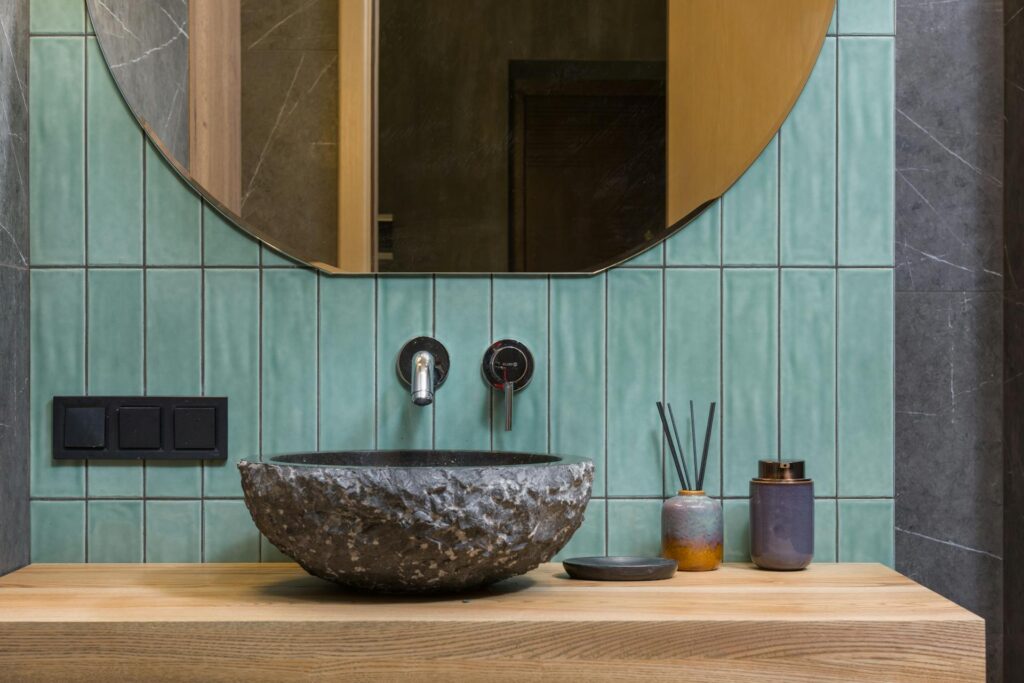
Bathroom Renovation: $25,000 – $75,000+ per bathroom
Bathrooms are deceptively expensive because of the concentration of plumbing, waterproofing, tile work, and fixtures in a small footprint. A standard three-piece bathroom update runs $25,000 to $40,000, while a primary en-suite with a walk-in shower, freestanding tub, heated floors, and custom tile can reach $60,000 to $75,000 or more.
Most full home renovations involve two to four bathrooms, making this a significant portion of the total budget.
Flooring: $15,000 – $50,000+
Flooring costs vary enormously based on material choice. Engineered hardwood runs $8 to $15 per square foot installed, while premium wide-plank hardwood or natural stone can reach $20 to $35+ per square foot. For a 2,000 sq. ft. home, budget $15,000 to $30,000 for mid-range flooring or $30,000 to $50,000+ for premium materials throughout.
Electrical: $15,000 – $40,000+
Older GTA homes often require a full electrical panel upgrade (from 100-amp to 200-amp), new wiring throughout, updated outlets and switches, and modern lighting. Homes built before the 1970s may still have knob-and-tube or aluminum wiring, which must be replaced for safety and insurance compliance.
Plumbing: $10,000 – $35,000+
Replacing galvanized or copper supply lines, updating drain systems, relocating fixtures for new layouts, and installing modern water-efficient fixtures all factor into the plumbing budget. If your home has a older waste stack or needs a backflow preventer, costs increase accordingly.
HVAC: $8,000 – $25,000+
Many full renovations include updating the furnace, air conditioner, and ductwork — especially if the existing system is more than 15 years old. Adding zones, upgrading to a high-efficiency system, or integrating a heat pump can push costs to the upper end of this range.
Structural Work: $10,000 – $60,000+
Opening up floor plans by removing load-bearing walls, adding steel beams, reinforcing foundations, or addressing settlement issues adds significant cost. This is one of the most common areas where "surprise" expenses appear once demolition begins.
Permits and Professional Fees: $5,000 – $15,000+
Building permits in the GTA typically cost $2,000 to $8,000 depending on the municipality and scope. Engineering drawings, architectural plans, and professional design services add to this line item. In Oakville and Burlington, permit timelines can run 4 to 8 weeks, so factor this into your project schedule.
What Drives the Cost Up (and Down)?
Not every full renovation costs the same. Here are the biggest variables that determine where your project lands on the cost spectrum.

Age and Condition of Your Home
Renovating a 1960s bungalow in Mississauga is a different project than renovating a 2005 detached in Milton. Older homes almost always cost more to renovate because of hidden issues: outdated wiring, asbestos, insufficient insulation, settling foundations, and non-standard framing. Budget a 10-20% contingency specifically for discoveries during demolition.
Scope of Structural Changes
Keeping the existing layout is significantly cheaper than reconfiguring it. Every wall you remove, every plumbing stack you relocate, and every window you enlarge adds engineering, structural, and permit costs. If your renovation involves an open-concept conversion, a second-storey addition, or a rear extension, expect costs at the higher end of the range.
Material and Finish Level
The gap between builder-grade and premium finishes is enormous. Stock kitchen cabinets might cost $8,000 to $12,000, while custom cabinetry from a local millworker can run $30,000 to $60,000+. Quartz countertops range from $65 to $120 per square foot. Tile selections can range from $5 per square foot to $40+ for imported porcelain or natural stone.
Labour Market Conditions
Skilled trades in the GTA are in high demand, and labour typically accounts for 40-50% of total renovation costs. In 2026, licensed electricians charge $75 to $120 per hour, plumbers $80 to $130 per hour, and experienced general contractors build their margins on top of trade costs. Spring and summer are peak seasons when availability is tighter and prices tend to be higher.
Location Within the GTA
Renovation costs vary by municipality. Oakville and Burlington tend to have higher material expectations and stricter permit requirements. Toronto proper has logistical challenges — tight lot access, parking restrictions, and noise bylaws — that can add to project costs. Milton, Brampton, and Hamilton tend to be slightly more affordable due to lower land values and easier site access.
Hidden Costs Most Homeowners Miss
Every experienced renovator knows that the quoted price is rarely the final price. Here are the hidden costs that catch GTA homeowners off guard.
Temporary housing: If your full renovation takes 3 to 6 months, you may need to rent an apartment or stay elsewhere. Budget $2,000 to $4,000 per month.
Storage: Your furniture and belongings need to go somewhere during a full gut. Portable storage units run $200 to $400 per month.
Landscaping repair: Heavy equipment, material deliveries, and construction foot traffic can damage your lawn, driveway, and gardens. Budget $3,000 to $10,000 for restoration.
Utility upgrades: Some municipalities require water meter upgrades, gas line modifications, or electrical service upgrades as part of the permit process.
Contingency fund: The industry standard is 15-20% of your total budget set aside for unexpected discoveries. On a $500,000 renovation, that means $75,000 to $100,000 in reserve. This is not optional — it is essential.
How to Choose the Right Renovation Contractor in the GTA

Your contractor choice will have more impact on the outcome than almost any other decision. Here is what to look for.
Design-build firms that handle both design and construction under one roof eliminate the coordination gaps between architects, designers, and builders. This model — which PRYSM Design | Build follows — ensures that design intent is preserved through execution, communication stays centralized, and accountability is clear from start to finish.
Look for:
- A clear, documented process (not just "we will figure it out as we go")
- Detailed written quotes with line-item breakdowns, not lump-sum estimates
- References from recent full home renovation projects in your area
- Proof of insurance (minimum $2M liability), WSIB coverage, and proper licensing
- A dedicated project manager who provides regular progress updates
- Experience with your municipality's permit process
Avoid:
- Contractors who quote significantly below market rate (they either cut corners or add change orders later)
- Anyone who resists putting the scope in writing
- Firms that subcontract everything and have no in-house project management
- Contractors who cannot show you completed projects similar to yours
Is a Full Home Renovation Worth It in the GTA in 2026?
The short answer: for most homeowners, yes — if it is done right.
The GTA real estate market continues to place a premium on updated, well-maintained homes. A full renovation typically recovers 60-80% of its cost in increased home value, and in desirable neighbourhoods like South Oakville, Burlington's lakeshore, or Toronto's midtown, the return can be even higher.
Beyond financial return, a full renovation gives you a home built around how you actually live — modern layouts, energy-efficient systems, updated safety standards, and finishes that reflect your taste. For families who love their neighbourhood but have outgrown their home's current state, renovation is almost always the smarter path compared to selling and buying.
Consider the math: selling a $1.5M home in Oakville means paying roughly $75,000 in real estate commissions, $20,000+ in land transfer tax on your next purchase, plus moving costs, legal fees, and the stress of finding a new home in a competitive market. That $100,000+ in transaction costs could be invested directly into improving the home you already own — in the neighbourhood you already love, with the school district your kids are already in.
How Long Does a Full Home Renovation Take in the GTA?
Timeline is one of the most common questions — and one of the most commonly underestimated aspects of a full renovation.
In 2026, a realistic timeline for a full home renovation in the GTA looks like this:
Pre-construction phase (6-12 weeks): This includes design development, material selection, engineering and architectural drawings, permit applications, and contractor scheduling. In municipalities like Oakville and Burlington, permit approval alone can take 4 to 8 weeks. Do not rush this phase — thorough planning prevents costly changes during construction.
Construction phase (3-6 months): The actual build depends on scope. A cosmetic full renovation of a 1,800 sq. ft. home might take 12 to 16 weeks. A full gut renovation with structural changes, new mechanical systems, and high-end custom finishes typically takes 20 to 28 weeks. Homes requiring foundation work, additions, or major reconfiguration can take 6 months or longer.
Post-construction (2-4 weeks): Final inspections, punch list completion, cleaning, and walkthrough. A good contractor will not consider the project complete until every detail has been reviewed and you are fully satisfied.
Total timeline from first consultation to move-in: 6 to 10 months for most full home renovations in the GTA.
The key to staying on schedule is disciplined project management — daily coordination of trades, proactive material ordering, regular client communication, and a clear construction sequence planned before the first day of demolition.
Renovation vs. Rebuild: Which Makes More Sense?
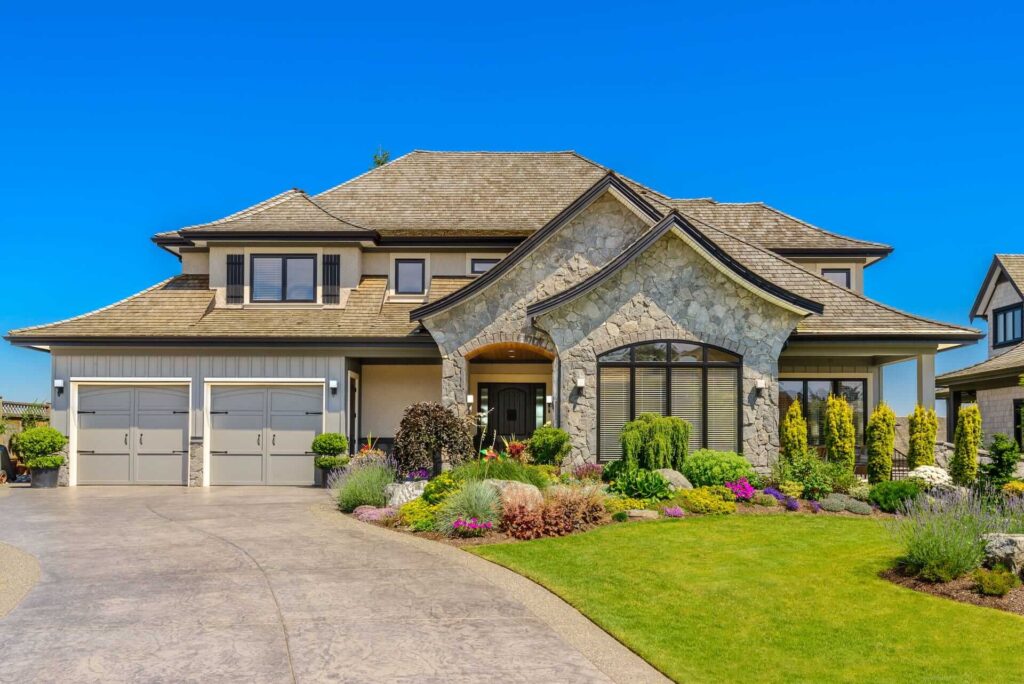
For homes with significant structural issues, severe foundation problems, or layouts that simply cannot be reconfigured to meet modern needs, a teardown and rebuild may be more cost-effective than a full renovation.
However, for the majority of GTA homes — particularly those built in the 1950s through 1990s with sound foundations and decent bones — renovation is the better value. It preserves the existing structure, avoids the lengthy and expensive process of new-build permitting, and typically costs 30-40% less than building from scratch.
Renovation also allows you to stay in your home (or nearby) during the process, maintain your property tax assessment, and preserve the character of your neighbourhood. In established GTA communities where lot sizes are generous and homes have mature landscaping, renovation almost always makes more financial and practical sense.
7 Tips to Save Money on Your GTA Home Renovation
Even within a full renovation, there are smart ways to control costs without sacrificing quality.
1. Plan thoroughly before you start. Changes during construction are the single biggest source of budget overruns. Investing in detailed design and material selection upfront saves exponentially more during the build.
2. Be strategic about where you splurge and where you save. Invest in the kitchen and primary bathroom — these are the rooms buyers (and you) notice most. Save on guest bedrooms, laundry rooms, and secondary spaces where mid-range finishes look and perform nearly as well as premium options.
3. Keep your layout where possible. Every plumbing stack, electrical panel, and load-bearing wall you leave in place saves thousands in engineering, structural, and trade costs.
4. Order materials early. Custom cabinetry, specialty tile, and imported fixtures can have 8 to 16 week lead times. Late orders cause construction delays, and delays cost money.
5. Build in a real contingency. Fifteen to twenty percent of your total budget should be set aside for discoveries. This is not pessimism — it is responsible planning. Homes hide surprises, and the contingency fund exists to absorb them without derailing your project.
6. Renovate in the off-season. Starting your project in late fall or winter (when trade availability is higher) can result in better pricing and faster scheduling compared to the spring rush.
7. Choose a design-build firm. Having design and construction under one roof eliminates the markup and coordination overhead of managing separate architects, designers, and builders. It also ensures that the design is buildable within your budget from day one.
How PRYSM Design | Build Approaches Full Home Renovations
At PRYSM, we take a design-led approach to every full home renovation. That means we start with intentional planning — understanding your vision, your lifestyle, and your goals — before any demolition begins.
Our process includes detailed 3D renderings so you see your renovation before it is built, comprehensive project scoping with transparent pricing, a dedicated project manager providing daily progress updates, and full coordination of all trades, permits, and inspections from start to finish.
We serve homeowners across Oakville, Burlington, Milton, Hamilton, Ancaster, Mississauga, Brampton, Etobicoke, and Toronto — delivering a calmer, more controlled renovation experience with refined results.
Ready to explore what a full home renovation could look like for your home? Book a free design consultation with our team and get a realistic scope, timeline, and budget tailored to your property.
PRYSM Design | Build is a design-led renovation company serving the Greater Toronto Area. We specialize in luxury full home renovations, kitchen and bathroom remodels, legal basements, home additions, and high-end landscape design. Learn more at prysmdesignbuild.ca.